Community
Still on run 2½ years later, driver in Eagan double fatal crash is charged
By Katherine Langford
Advertisement · Why this ad?
Katherine oversees editorial operations across all six brands. Before joining The Meridan Group, she spent 14 years at the Minneapolis Star Tribune, where she led the metro desk through its digital transformation. She holds a Master's in Journalism from Northwestern's Medill School.
More from Katherine →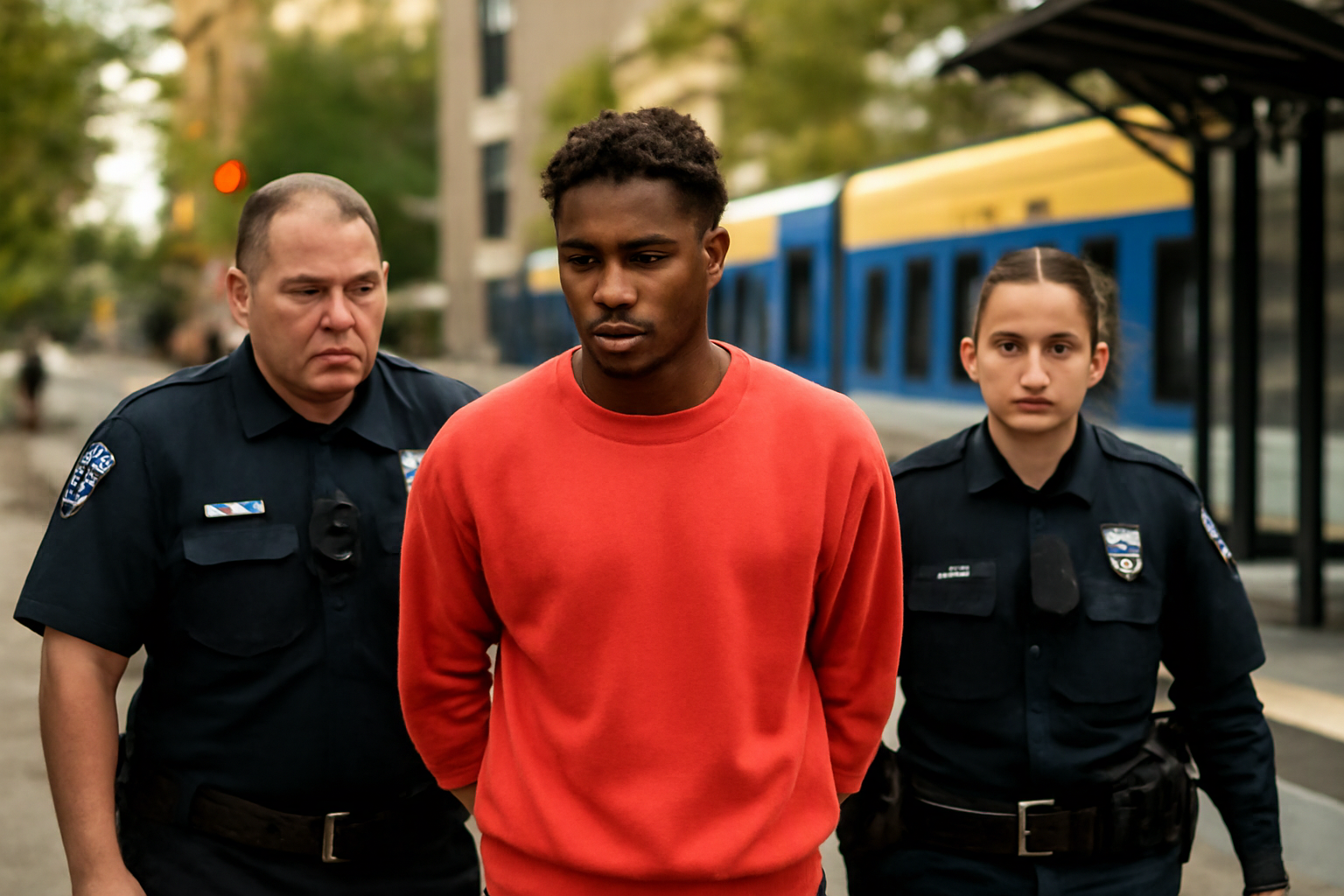
On a crisp autumn evening, the vibrant streets of Minneapolis were momentarily overshadowed by tragedy. As families gathered at local parks and children played in the fading light, the community was rocked by news of a shooting that would leave a lasting impact. On October 3, Jaquan Darrian Edwards was charged with second-degree murder following the fatal shooting of a man, an incident that has reverberated through the neighborhoods along the Green Line.
The incident unfolded on the Green Line, a vital transit route that connects various neighborhoods across Minneapolis. According to police reports, the shooting occurred during an altercation that escalated quickly. Authorities responded to the scene shortly after the shots were fired, but unfortunately, the victim succumbed to his injuries. This tragic event not only claimed a life but also sent shockwaves through the community, raising concerns about safety and the impact of violence in public spaces.
Edwards, 24, was arrested shortly after the incident, with investigators utilizing video surveillance and DNA evidence to build their case against him. The footage captured key moments leading up to the shooting, providing critical context that helped law enforcement officials piece together the events of that fateful evening. This reliance on technology underscores the evolving landscape of crime-solving in urban areas, where every detail can prove pivotal in securing justice.
The response from the Minneapolis community has been one of shock and sorrow. Local residents, many of whom rely on the Green Line for daily commutes, expressed their concerns regarding safety on public transportation. “This is supposed to be a safe space for everyone,” said Maria Lopez, a long-time resident. “We need to come together as a community to address these issues before they escalate further.”
Community leaders have also voiced their apprehension. The Minneapolis City Council has been actively discussing measures to enhance safety along transit routes, including increased police presence and community engagement initiatives. Councilmember Jamila Johnson stated, “We are committed to ensuring that our public spaces are safe for all residents. We must work collaboratively to address the root causes of violence.”
In the wake of the shooting, local organizations have stepped up to provide support for those affected. The Minneapolis Urban League has initiated community forums aimed at fostering dialogue and healing among residents. “We need to create a space where people can express their fears and concerns,” said Executive Director Eric Johnson. “Only through open communication can we begin to rebuild trust in our community.”
The incident involving Edwards is not an isolated event but part of a broader narrative concerning gun violence in urban areas across the United States. According to data from the Bureau of Justice Statistics, gun-related homicides have seen a troubling increase in recent years, prompting cities to reevaluate their approaches to public safety. In Minneapolis, this has sparked conversations about the need for comprehensive strategies that address not only immediate safety concerns but also the underlying factors contributing to violence.
Experts emphasize the importance of community involvement in these discussions. Dr. Lisa Thompson, a criminologist at the University of Minnesota, noted, “It is essential for residents to engage in conversations about safety and prevention. When communities come together, they can create solutions that truly reflect their needs.”
In response to the rising concerns over safety, several grassroots organizations have emerged, focusing on youth engagement and violence prevention. Programs like the Youthprise initiative aim to provide at-risk youth with mentorship and skills training, steering them away from violence and toward constructive paths. “We believe that investing in our youth is investing in our community's future,” said program director Sarah Jenkins. “By empowering young people, we can help them make better choices and avoid situations that could lead to violence.”
However, challenges persist. Many community members feel that systemic issues, such as poverty and lack of access to mental health services, exacerbate the cycle of violence. Local activists are calling for more comprehensive support systems to address these root causes. “We need to look beyond just policing,” said community activist David Brown. “True safety comes from ensuring that everyone has access to the resources they need to thrive.”
In light of recent events, several resources have been made available to residents seeking support. The Minneapolis Police Department has established a hotline for individuals to report concerns anonymously, encouraging community members to play an active role in safety efforts. Additionally, local nonprofits such as Minneapolis Community Services are offering counseling and support services for those affected by violence.
For families looking to engage in proactive measures, the Minneapolis Police Department’s Community Engagement Division hosts regular workshops on conflict resolution and personal safety. These initiatives aim to empower residents with the tools they need to navigate challenges in their neighborhoods.
As the legal proceedings against Jaquan Darrian Edwards progress, the community remains vigilant, seeking justice while grappling with the implications of the shooting. The case serves as a reminder of the fragility of life and the urgent need for collective action to foster a safer environment. Community leaders are calling for ongoing dialogue among residents, law enforcement, and local organizations to ensure that the voices of those affected are heard.
In the coming weeks, the Minneapolis City Council is expected to discuss additional measures aimed at enhancing safety along transit routes. These discussions will be crucial in shaping the future of public safety in Minneapolis, as residents advocate for a community built on trust, commitment, and shared responsibility.
Local media outlets have also played a significant role in informing the community about the events surrounding the shooting. Coverage of the incident has not only raised awareness about the immediate danger but has also highlighted the ongoing issues of violence and safety within the city. Community journalist Anna Greene remarked, “It’s essential for us to keep these conversations alive. Our stories can help shape public perception and influence policy decisions.”
In response to the emotional toll of the shooting, various healing initiatives are being organized. Local churches and community centers are hosting vigils and support groups, providing spaces for residents to come together in solidarity. Pastor Michael Rivers of the Hope Community Church shared, “In times of tragedy, we must lean on each other. Healing starts with community, and we are here to support anyone who needs it.”
Ultimately, the hope is that through collaborative efforts, Minneapolis can emerge stronger from this tragedy, reinforcing its commitment to protecting families and nurturing a sense of belonging for all its residents. As the community rallies together, there is a renewed sense of purpose to not only address the immediate concerns of safety but also to build a foundation for long-term healing and resilience.
By Katherine Langford
By Marcus Chen
By Katherine Langford
By Marcus Chen