
Community
US Embassy warns Americans in France of violence, curfews amid nationwide strike
By Marcus Chen
Advertisement · Why this ad?
Marcus manages the day-to-day editorial workflow across all brands, coordinating coverage assignments and ensuring editorial standards are met. He previously served as city editor at the Pioneer Press and holds a degree in Political Science from Carleton College.
More from Marcus →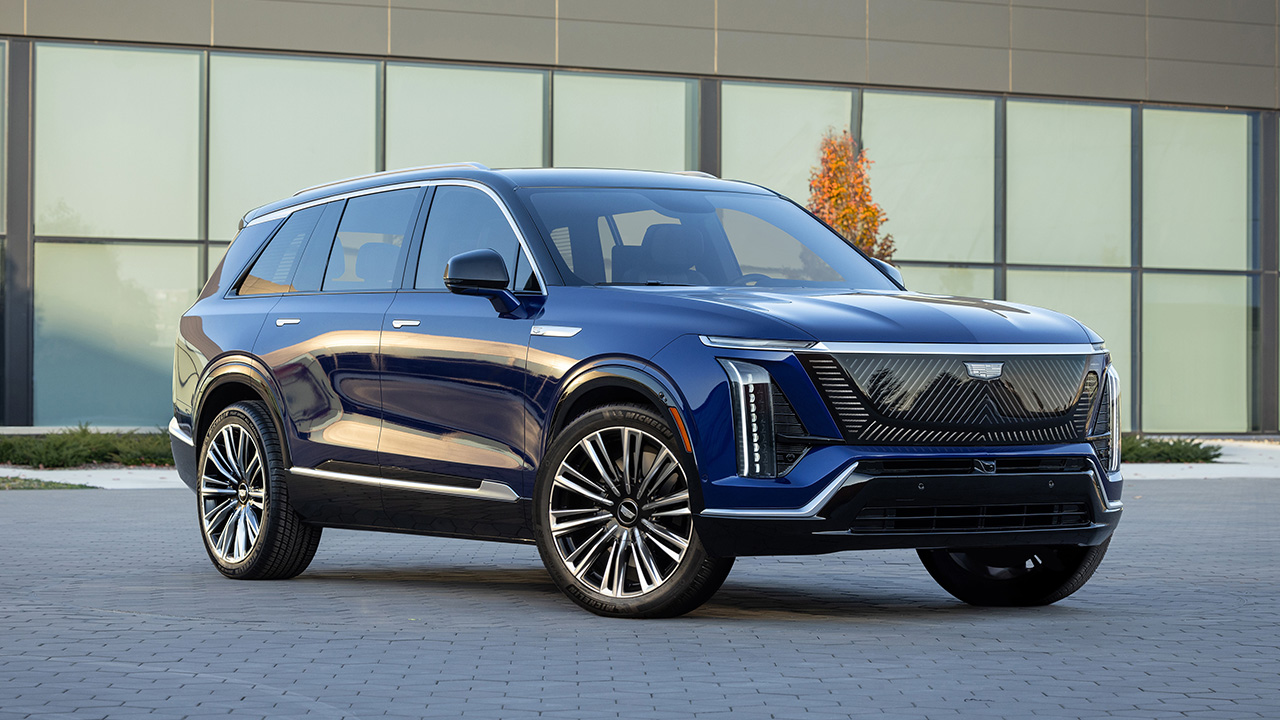
As the sun dipped below the horizon in Minneapolis, a sense of urgency gripped local car owners. For many, the evening commute turned into a moment of reflection as General Motors announced recalls affecting over 80,000 vehicles, including popular Cadillac and Chevrolet models. This announcement, made on October 29, 2026, by the National Highway Traffic Safety Administration (NHTSA), has raised concerns about potential brake failures and steering defects that could lead to serious accidents.
General Motors issued two separate recalls impacting a range of vehicles, including the Cadillac Lyriq, Chevrolet Blazer EV, Cadillac Celestiq, and Cadillac Vistiq, as well as Chevrolet Express and GMC Savana vans. The recalls stem from safety issues that could lead to loss of braking ability or steering control, potentially resulting in minor crashes and injuries.
The first recall involves the Cadillac and Chevrolet electric vehicles, which could experience a temporary loss of braking capability when drivers make sharp turns or hit minor bumps at low speeds. This malfunction is linked to a computer miscalculation of wheel speed, leading to a brief lapse in braking. The specific models affected include 44,585 units of the 2023–2027 Cadillac LYRIQ, 3,911 units of the 2024–2027 Chevrolet Blazer EV, 82 units of the 2025–2026 Cadillac CELESTIQ, and 18,802 units of the 2026–2027 Cadillac VISTIQ.
The second recall pertains to the Chevrolet Express and GMC Savana vans. In this case, a nut on the steering components was not properly tightened during manufacturing. This oversight could lead to a complete loss of steering control if the nut becomes too loose or falls off while driving. The affected models include 8,693 units of the 2025–2026 Chevrolet Express and 4,022 units of the 2025–2026 GMC Savana.
The implications of these recalls are significant for Minneapolis residents who rely on these vehicles for daily transportation. The potential for minor crashes and injuries is not just a statistic; it represents real risks for families and individuals navigating the city's roads. GM has already linked these braking issues to 20 minor crashes and two injuries, highlighting the urgency for affected owners to take action.
For families who prioritize safety, the prospect of driving a vehicle with known defects can be distressing. The recalls serve as a reminder of the importance of vehicle maintenance and the need for manufacturers to uphold rigorous safety standards. The connection between reliable transportation and family well-being cannot be overstated, especially in a community that values strong, stable households.
Moreover, the recalls underscore the importance of proactive communication from manufacturers. GM plans to notify dealerships and send emails to vehicle owners by December 14, 2026, ensuring that those impacted are informed of the necessary steps to rectify these issues. This commitment to customer safety is crucial in maintaining trust with consumers.
The response from the Minneapolis community has been one of concern and caution. Local car owners have expressed their apprehension about the safety of their vehicles, particularly those with families who depend on reliable transportation. Social media platforms have been abuzz with discussions about the recalls, as residents share their experiences and seek advice on how to proceed.
Many community members are taking the initiative to check their vehicle identification numbers (VINs) against the recall lists provided by the NHTSA. This proactive approach is crucial in ensuring that they remain informed about the safety of their vehicles. Local automotive shops have also reported an uptick in inquiries regarding the recalls, as residents seek reassurance and guidance on next steps.
The community's reaction highlights the interconnectedness of vehicle safety and family stability. For many, a reliable vehicle is not just a mode of transportation; it is a lifeline that enables them to fulfill daily responsibilities, from commuting to work to transporting children to school and activities. The impact of these recalls resonates deeply within the fabric of the community.
Local residents have voiced their concerns in various forums. One Minneapolis parent, Sarah Johnson, shared her worries, stating, "As a mom of three, my car is essential for getting my kids to school and activities. I can’t afford any issues with it. This recall has me worried about our safety on the road."
Similarly, a small business owner, Mark Thompson, expressed his frustration, saying, "I rely on my van for deliveries. If I lose steering control, it could not only put my life at risk but also jeopardize my business. I hope GM resolves this quickly."
The community's engagement reflects a collective desire for accountability from manufacturers, emphasizing the need for ongoing dialogue about vehicle safety.
For owners of the affected vehicles, immediate action is essential. GM has outlined steps for consumers to take in response to the recalls. Those who believe their vehicles may be impacted can contact Cadillac customer service at 1-800-333-4223 or Chevrolet customer service at 1-800-222-1020 for assistance.
Additionally, GM will provide a software update to rectify the braking issue in the impacted electric vehicles. This update is a critical step in ensuring that drivers can rely on their brakes when needed. For the vans, owners can visit their local dealerships to have the improperly tightened steering components replaced at no cost.
Staying informed is key. Vehicle owners should regularly check the NHTSA's website for updates on recalls and safety notices. By remaining vigilant, consumers can ensure the safety of their vehicles and protect their families from potential hazards on the road.
The road ahead for GM and its customers involves a commitment to safety and transparency. As the company works to address these recalls, it is imperative that they maintain open lines of communication with affected vehicle owners. Trust is built through accountability, and GM has an opportunity to reinforce its dedication to customer safety.
For Minneapolis residents, the recalls serve as a wake-up call to prioritize vehicle maintenance and safety checks. As families navigate the complexities of daily life, ensuring the reliability of their transportation is paramount. The community's resilience and proactive approach will play a significant role in overcoming the challenges posed by these recalls.
In conclusion, while the recalls are a cause for concern, they also present an opportunity for growth and improvement within the automotive industry. As GM takes steps to rectify these issues, consumers can take comfort in knowing that they have the power to advocate for their safety and the safety of their loved ones on the road.
These recalls highlight a growing trend in the automotive industry, where safety concerns are increasingly coming to the forefront. As electric vehicles become more prevalent, understanding the unique challenges they present is crucial for manufacturers and consumers alike. The recalls not only affect individual owners but also have broader implications for the automotive market, influencing consumer trust and purchasing decisions.
Moreover, this situation serves as a reminder of the regulatory environment in which automakers operate. The NHTSA plays a vital role in overseeing vehicle safety, and its actions can lead to significant changes in how manufacturers approach design and quality control. As such, these recalls may prompt GM and other manufacturers to reevaluate their processes to prevent future issues, ultimately benefiting consumers.
In Minneapolis, where the community is closely knit and values safety, these recalls are more than just numbers; they reflect the real experiences of families and individuals who depend on their vehicles every day. As residents navigate the aftermath of these announcements, the focus will undoubtedly remain on ensuring that their vehicles are safe and reliable.
By Marcus Chen

By Katherine Langford

By Marcus Chen

By Marcus Chen