Health
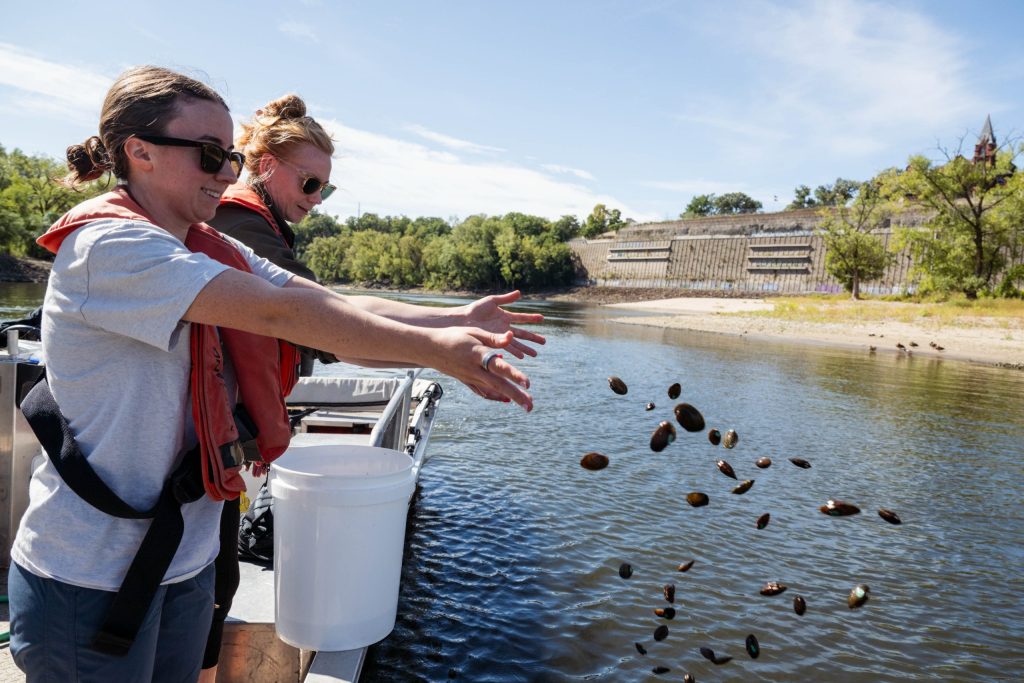
Mussels regaining a foothold in the upper Mississippi River after decades of decline
By Katherine Langford
Advertisement · Why this ad?
Katherine oversees editorial operations across all six brands. Before joining The Meridan Group, she spent 14 years at the Minneapolis Star Tribune, where she led the metro desk through its digital transformation. She holds a Master's in Journalism from Northwestern's Medill School.
More from Katherine →
On a quiet summer morning in southwestern Wisconsin, a family received devastating news that no parent ever wishes to hear: their infant had succumbed to measles, a preventable disease that has largely been relegated to history’s past in the United States. This heartbreaking event marks a somber milestone—Wisconsin’s first reported infant death from measles since 1990, and a stark reminder of the resurgence of a disease once thought to be under control.
The Wisconsin Department of Health Services announced Thursday that an infant had died amid a significant measles outbreak sweeping across 13 counties in the southwestern part of the state. As of Tuesday, the department reported 431 confirmed cases in 2026, a figure that surpasses any seen in over three and a half decades. The outbreak has particularly affected counties such as Columbia, Buffalo, Chippewa, Dane, Grant, and others, with more than 350 cases traced specifically to southwest Wisconsin.
This resurgence is alarming, considering measles was declared eliminated in the U.S. in 2000, thanks to widespread vaccination efforts. However, recent declines in vaccination rates have created vulnerabilities, allowing the disease to re-emerge. The department noted that not all cases are diagnosed or reported, so the actual number could be higher. Nine individuals have been hospitalized with severe symptoms, underscoring the seriousness of this preventable illness.
The outbreak’s epicenter appears to be concentrated in southwest Wisconsin, but cases have also been identified in other parts of the state, including Waukesha and Marquette counties. The Wisconsin DHS has responded by delivering 2,000 doses of the MMR vaccine to local health departments in affected areas since August 1, with over 42,000 doses administered overall. The goal remains clear: contain the outbreak and prevent further tragedies.
Health officials emphasize that two doses of the MMR vaccine are 97% effective at preventing measles, and a single dose offers 93% protection. Despite these statistics, vaccination rates have dipped, partly due to misinformation and vaccine hesitancy, which have contributed to the disease’s resurgence. The department urges unvaccinated residents over six months old who have been exposed to seek immediate medical advice, as early intervention can significantly reduce severity or prevent illness altogether.
The death of the infant has sent shockwaves through Wisconsin communities, many of whom are grappling with the reality that a preventable disease has claimed a life. For families, especially those with young children, the outbreak raises urgent questions about vaccine safety, community responsibility, and the importance of trusted healthcare guidance. Local health officials are working tirelessly to educate the public, dispel myths, and encourage vaccination as a moral and civic duty rooted in love and protection for one’s neighbors.
In towns like Madison and smaller rural communities, faith-based organizations and local clinics are partnering with health departments to promote vaccination clinics and outreach programs. The goal is not only to curb the current outbreak but also to rebuild confidence in vaccines, which have historically been a cornerstone of strong, resilient families and communities built on shared commitments to well-being. As Wisconsin faces this crisis, it also serves as a stark reminder of the ongoing importance of maintaining high immunization rates to safeguard all children, especially the most vulnerable.
Leaders across Wisconsin are speaking out about the importance of vaccination and community solidarity. Dr. Lisa Monroe, a pediatrician at Madison’s Children’s Clinic, emphasizes that “vaccines are one of the most effective tools we have to protect our children and communities. This tragic loss underscores the urgent need to address vaccine hesitancy and misinformation that has taken root in some areas.”
Local pastors and community organizers are also stepping into the conversation. Reverend Samuel Carter of First Baptist Church in La Crosse has organized informational sessions and vaccine clinics, stressing that “our faith communities have a responsibility to protect the vulnerable among us. We must come together, dispel fears, and prioritize health as a moral imperative.”
Meanwhile, parents like Maria Lopez of Eau Claire share their concerns. “I was hesitant at first, but after what happened, I realize how crucial it is to vaccinate my children. No parent should have to go through losing a baby because of something we can prevent,” she said. Such voices highlight the personal stakes and community-wide urgency to act.
Southwestern Wisconsin is a region characterized by its rural landscapes, close-knit communities, and a mix of agricultural and small-town life. Many families here have deep roots in farming, local businesses, and longstanding traditions. The resurgence of measles threatens not just individual health but the social fabric that holds these communities together.
Historically, Wisconsin has been a state with relatively high vaccination rates, but pockets of vaccine hesitancy have emerged, often fueled by misinformation online and distrust of government or pharmaceutical companies. These sentiments have gained traction in some rural areas where access to healthcare can be limited, and skepticism about vaccines persists.
The recent outbreak has also spotlighted disparities in healthcare access. Rural clinics may lack the resources or staffing to conduct widespread vaccination campaigns swiftly, making outbreaks harder to contain. Local health departments are now working overtime to reach vulnerable populations, including migrant workers, Native American reservations, and low-income families who may not have easy access to immunizations.
Public health officials are now focused on containment and prevention. The Wisconsin DHS has announced plans to increase vaccination efforts, particularly targeting areas with low coverage, and to enhance surveillance to identify and isolate new cases rapidly. They are also urging residents to review their vaccination records and consult healthcare providers if in doubt about their immunity status.
Meanwhile, the state’s healthcare system is mobilizing resources to treat severe cases and support families affected by the outbreak. The tragic loss of the infant underscores the need for renewed commitment to immunization programs and community education. It also highlights the importance of strong families who prioritize health and faith, embodying the American ideal of caring for one another through responsible action and steadfast love.
Looking ahead, Wisconsin’s experience serves as a cautionary tale for other states. It reminds us that vaccines are a gift rooted in both science and community responsibility, and that the true strength of our society lies in our collective commitment to protect the most vulnerable among us. As families, churches, and local organizations come together to confront this outbreak, they reaffirm the enduring value of faith, family, and the American dream—built on the foundation of healthy, united communities.
Local clinics and healthcare providers are on the front lines of this fight. Many are holding extended hours and community outreach events to vaccinate as many residents as possible. Dr. Emily Carter, director of the Wisconsin Rural Health Initiative, emphasizes, “We are doing everything we can to reach underserved populations. Every vaccination is a step toward ending this outbreak.”
Additionally, mobile clinics have been deployed to remote areas, ensuring that even the most isolated families can access vaccines. These efforts are crucial in preventing further spread, especially as misinformation continues to hinder vaccination efforts.
One of the biggest challenges remains combating misinformation about vaccines. Local health officials are working with schools, churches, and community groups to provide accurate, science-based information. Campaigns include testimonials from parents, stories from recovered patients, and educational sessions designed to dispel myths and fears.
“We recognize that vaccine hesitancy is often rooted in fear and misinformation,” says Sarah Jenkins, a health educator in La Crosse County. “Our goal is to build trust through transparency, compassion, and facts. Only then can we protect our children and our communities.”
As Wisconsin navigates this crisis, there is also an opportunity to strengthen community resilience. Schools, faith groups, and local governments are collaborating on new initiatives to promote health literacy and vaccination awareness. These programs aim to prepare communities for future outbreaks and reinforce the importance of collective responsibility.
Public health experts stress that maintaining high vaccination rates is essential not only for preventing measles but for safeguarding against other preventable diseases. This outbreak has reignited the conversation about the importance of science-based health policies and community engagement in protecting public health.
Ultimately, the tragic death of this infant underscores the critical need for vigilance, education, and compassion. It is a call to action for all Wisconsinites to prioritize health, trust in science, and support one another in building a healthier, more resilient future.
By Katherine Langford

By Katherine Langford

By Marcus Chen

By Marcus Chen